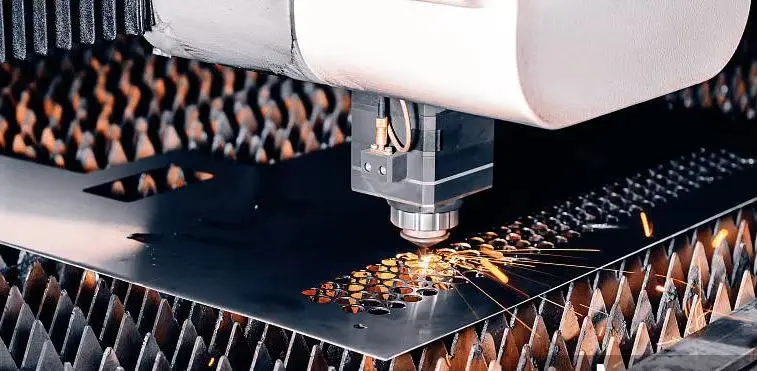
Laser cutting has become an essential technology in modern industrial manufacturing. Its precision, efficiency, and versatility make it a preferred choice for fabricators, engineers, and manufacturers across industries. Here’s why laser cutting stands out in industrial applications.
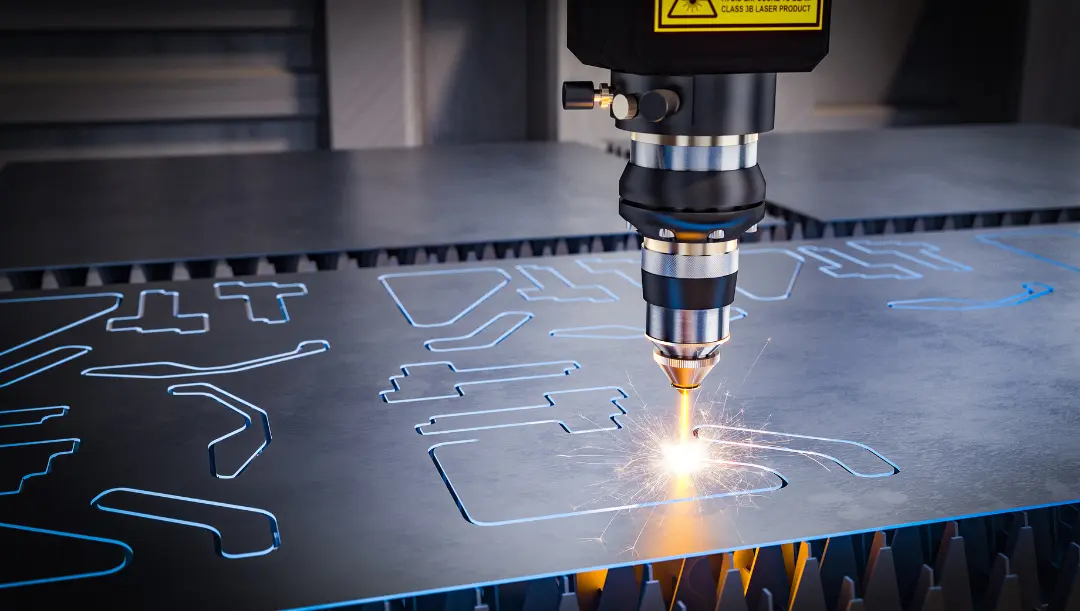
1. High Precision and Accuracy
One of the biggest advantages of this technology is its unmatched precision. It can produce highly detailed components with exact measurements, making it ideal for industries like aerospace, automotive, and electronics where accuracy is critical.
2. Clean and Smooth Cuts
One of the biggest advantages of this technology is its unmatched precision. It can produce highly detailed components with exact measurements, making it ideal for industries like aerospace, automotive, and electronics where accuracy is critical.
3. Versatility Across Materials
Laser cutting can handle a wide range of materials, including metals, plastics, wood, composites, and even ceramics. This flexibility allows manufacturers to use the same system for multiple applications, improving operational efficiency.
4. Faster Production and Efficiency
The automated nature of this cutting solution ensures faster production for both small and large-scale projects. It allows rapid processing of multiple components with minimal human intervention, lowering labor costs and turnaround time.
5. Complex and Intricate Designs
While the initial investment may be high, the long-term benefits—such as reduced material waste, improved speed, and minimal finishing—make it a cost-effective solution for industrial production.
6. Cost-Effective for Long-Term Manufacturing
While the initial investment may be high, the long-term benefits—such as reduced material waste, improved speed, and minimal finishing—make it a cost-effective solution for industrial production.
7. Safe and Environmentally Friendly
Advanced cutting systems are designed with operator safety and environmental sustainability in mind. They generate less waste and consume less energy compared to conventional techniques.